FIFA Leadership Faces Scrutiny as Governance Questions Remain Unanswered
As FIFA's governing body convenes, institutional transparency continues to lag behind promises, raising questions about football's administrative future and how uncertainty affects betting markets worldwide.
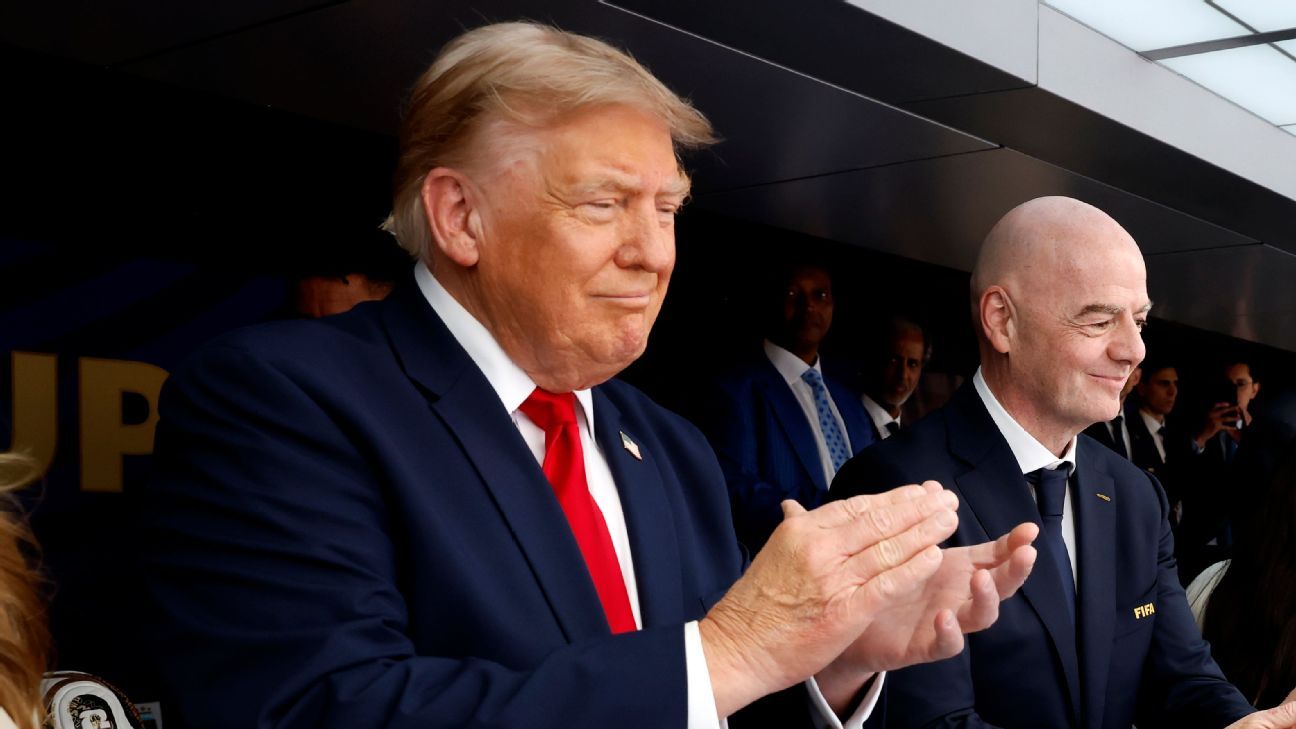
FIFA's Transparency Problem Could Reshape Football Betting Markets
The world's most powerful football administrator offered an olive branch to his fiercest detractors this week, yet delivered little substantive change. During Thursday's FIFA Council gathering, Gianni Infantino extended what many characterize as a diplomatic apology to those questioning his leadership, but stopped short of providing concrete documentation or detailed explanations on major governance concerns hanging over the sport.
This pattern of acknowledgment without resolution creates a peculiar challenge for the global football ecosystem, particularly for prediction platforms and betting enthusiasts who rely on institutional stability to forecast outcomes accurately.
Why Governance Matters for Betting Markets
When football's administrative body operates under clouds of uncertainty, the ripple effects extend far beyond boardrooms. Institutional instability historically correlates with unexpected regulatory changes that can impact competition schedules, player availability, and even match integrity standards. For serious bettors using platforms like WonlyAI's AI prediction system, these variables introduce unpredictability into otherwise data-driven forecasting models.
Today's WonlyAI picks showcase this reality. Across multiple markets, our algorithm identifies strong value in conservative selections: Al-Ittihad FC versus Al Shabab carries a home or draw tip at 1.25 odds, while the Irish fixtures show similar patterns with Bohemians versus Waterford at 1.17 and St Patrick's Athletic against Shelbourne at 1.15. These tighter odds reflect genuine market uncertainty driven partly by institutional factors beyond traditional performance metrics.
The Apology That Changed Nothing
Infantino's addressed concerns from council members without releasing substantive documentation supporting his position or defending past decisions. This approach frustrates stakeholders who expected concrete answers about specific operational and financial matters plaguing football's governance structure.
For betting markets, this evasiveness creates secondary-order effects. When leadership avoids transparency, market confidence fluctuates. Bookmakers adjust odds to compensate for higher perceived risk. Prediction algorithms incorporating sentiment analysis and institutional stability metrics must recalibrate more frequently, reducing the confidence intervals around forecasts.
What This Means for Your Betting Strategy
If you're analyzing matches involving major leagues potentially affected by FIFA's administrative decisions, consider this: governance uncertainty often suppresses market liquidity and increases volatility in odds movements. This creates both opportunities and hazards for bettors.
Conservative plays like those highlighted in today's WonlyAI selections (home or draw outcomes across multiple competitions) typically perform better during periods of institutional instability. These markets reward lower-risk positioning over speculative bets on surprising outcomes.
The Bigger Picture for Football Prediction
AI-driven prediction platforms must continuously adapt when foundational institutions operate with reduced transparency. WonlyAI's approach integrates governance stability scores alongside traditional variables like team form, injury status, and historical head-to-head records. When FIFA operates in opacity mode, those governance inputs signal increased caution across multiple markets.
The Thursday council meeting exemplified this challenge. An apology carries rhetorical value but minimal analytical weight. Without supporting data or policy changes, prediction models can only absorb the fact that leadership continues avoiding accountability for contested decisions. This translates directly to tighter odds and more conservative algorithmic recommendations.
Moving Forward
Football's betting ecosystem depends on institutional legitimacy and transparent governance. Until FIFA demonstrates measurable commitment to addressing outstanding questions through documented evidence and policy reform, expect continued conservatism across prediction markets.
For bettors seeking an edge, recognize that periods of governance uncertainty paradoxically reward disciplined, data-first approaches. Today's WonlyAI recommendations reflect this principle: solid teams with stable management in home or draw positions represent better expected value than speculative picks in uncertain environments.
Monitor future FIFA announcements closely. Meaningful policy changes or transparent documentation would signal positive shifts in institutional confidence, potentially loosening current market tightness and offering fresh opportunities for more aggressive betting strategies.
Predictions backed by data, not by tipsters.
Calibrated picks across 200+ leagues, every morning, with the reasoning attached.