Infantino's Reelection Path Clears as Football's Power Structure Solidifies
With a potential rival stepping aside, FIFA's current leader faces minimal opposition in the upcoming presidential race. Here's what this means for football's governance and the sport's future direction.
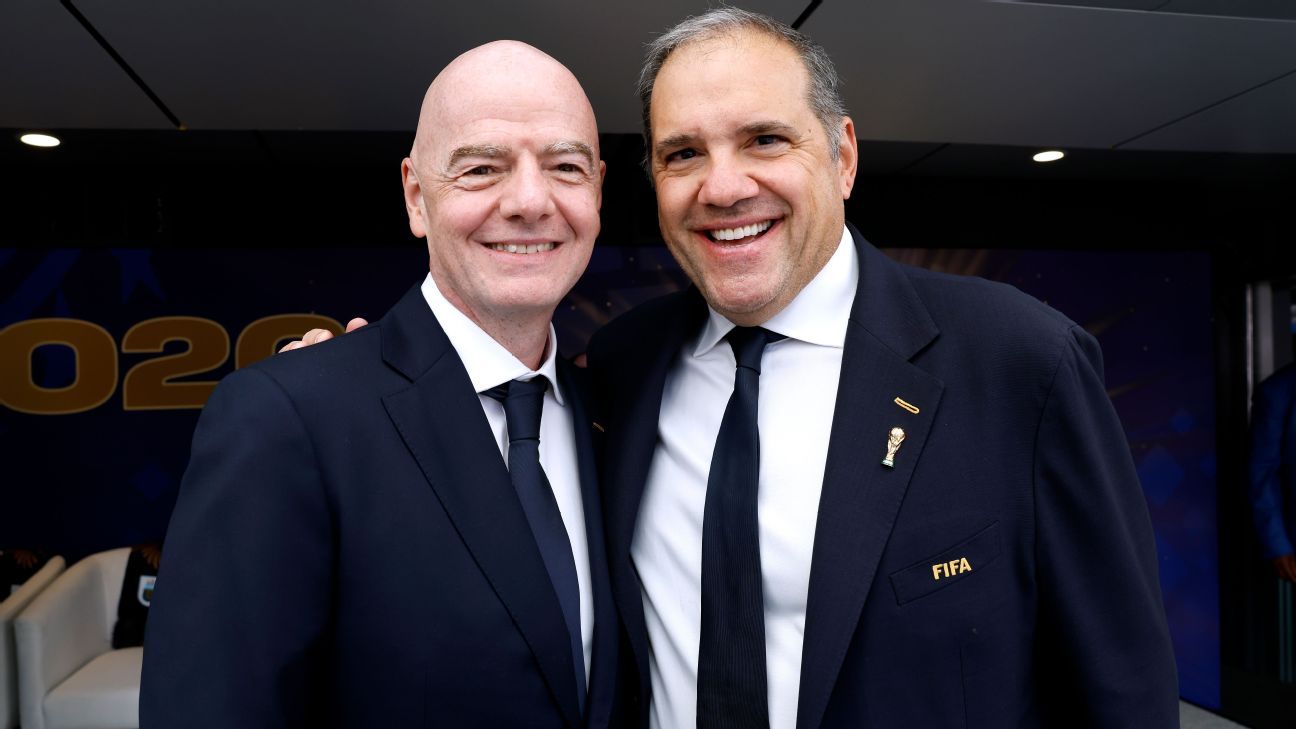
The Landscape Shifts: What Infantino's Unopposed Path Means for Football
The FIFA presidential race appears to be entering a new phase. According to multiple sources, Victor Montagliani, the Concacaf confederation leader, will retain his position rather than mount a challenge against current FIFA President Gianni Infantino. This development effectively removes one of the few potential obstacles to Infantino securing another term at the helm of world football's governing body.
For those who follow football's organizational structure and its ripple effects on the sport, this news carries significant weight. Presidential elections at FIFA shape everything from competition formats to broadcasting rights, sponsorship deals, and ultimately the direction of global football development. When one candidate faces limited opposition, it often signals a period of continuity, which can have downstream effects on how international competitions are structured and managed.
Why This Matters Beyond the Headlines
Montagliani's decision to stay focused on Concacaf presidency represents a strategic calculation. The Concacaf confederation oversees football across North and Central America and the Caribbean, a region with tremendous growth potential. By remaining in this role, he maintains significant influence over a crucial territory while avoiding a potentially divisive FIFA-level campaign.
For football stakeholders and enthusiasts, this decision suggests we're likely to see continued consistency in FIFA's operational direction. Infantino's policies regarding tournament scheduling, competition formats, and international match calendars will likely continue with minimal friction from alternative visions. This stability can be beneficial for long-term planning, though some argue that unopposed leadership can reduce accountability and innovation.
Implications for Global Football Development
The consolidation of power around Infantino's leadership raises questions about how future competitions will evolve. Will we continue to see expansion in tournament formats? How will FIFA balance the demands of club football with international commitments? These aren't merely administrative questions; they directly influence player workload, injury rates, and the overall competitiveness of international football.
From a betting and prediction perspective, clarity in leadership often translates to predictability in decision-making. When football's governing structure remains stable, the variables that could suddenly reshape competition formats become fewer. This allows analysts and prediction platforms to operate with greater confidence about long-term structural stability.
What This Means for Football Fans and the Sport's Future
With an apparently clear reelection path, Infantino can focus on his agenda without mounting a defensive campaign. This could accelerate certain initiatives, such as expanded World Cup formats or revised qualifying procedures. However, it also removes a check-and-balance mechanism that contested elections provide.
For fans and those interested in football's strategic direction, this consolidation of power warrants attention. The decisions made by FIFA's leadership in the coming years will determine how international football looks throughout the 2026 World Cup cycle and beyond. Tournament structures, scheduling considerations, and player welfare policies all hinge on presidential priorities.
The absence of serious electoral competition doesn't necessarily mean negative outcomes for football. Continuity in leadership can facilitate long-term strategic planning and consistent vision execution. However, it does mean that Infantino's vision for football's future will proceed largely uncontested within FIFA's governance framework.
As the football world continues to evolve, with ever-increasing demands on players and ever-growing commercial interests, the choices made by FIFA's leadership will be felt across every level of the sport. Montagliani's decision to maintain his current role effectively allows for that leadership to remain unchanged at football's highest level.
Predictions backed by data, not by tipsters.
Calibrated picks across 200+ leagues, every morning, with the reasoning attached.