The Manchester United Contract That Never Was: How Mourinho's Rejected Deal Changed Football History
Jose Mourinho's emotional decision to tear up a Manchester United contract in 2013 remains one of football's biggest what-ifs. We analyze how this pivotal moment shaped modern management and what it teaches us about predicting managerial success.
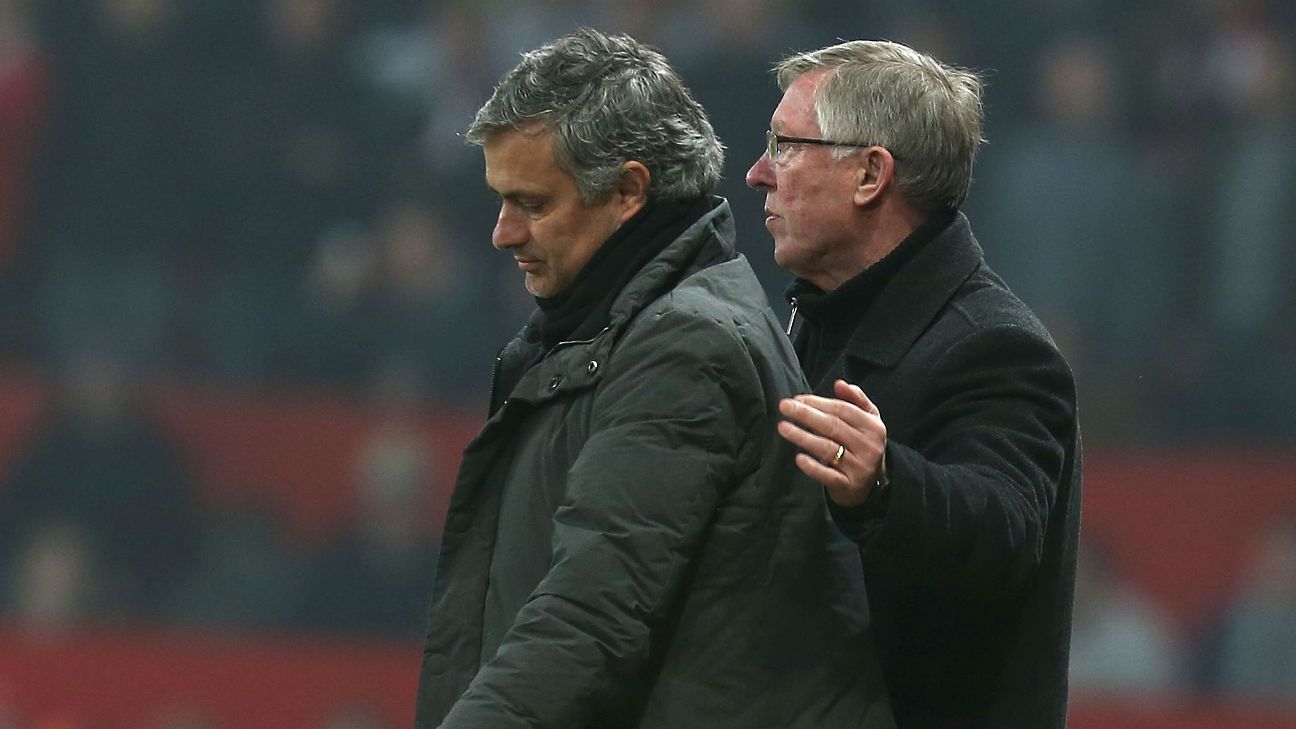
The Deal That Almost Rewrote Manchester United's Future
In a candid documentary revelation, Jose Mourinho has opened up about one of football's most consequential decisions: signing a contract to become Manchester United manager in 2013, only to emotionally reverse course and return to Chelsea instead. This bombshell disclosure offers fascinating insights into managerial psychology, career trajectory analysis, and how a single choice can reshape an entire club's competitive landscape for over a decade.
Understanding the 2013 Context
The summer of 2013 represented a crossroads moment in Premier League history. Sir Alex Ferguson had just retired after 26 years of dominance, leaving Manchester United searching for a successor capable of maintaining their status as England's elite force. David Moyes ultimately took the position, a decision that proved disastrous. Meanwhile, Mourinho was a proven winner fresh from conquering Spanish football with Real Madrid.
From a competitive standpoint, the math was straightforward: Mourinho's arrival would have fundamentally altered Manchester United's trajectory during the post-Ferguson era. His tactical intelligence, trophy-winning mentality, and proven ability to deliver immediate results represented exactly what United needed during their transitional period.
The Emotional Factor in Career Decisions
What makes Mourinho's revelation particularly striking is the tearful nature of his decision to abandon the deal. This human element often gets overlooked in football analysis. When evaluating future managerial appointments or predicting a coach's success at a new club, data scientists and analysts frequently underestimate emotional attachment, unfinished business, and psychological comfort in decision-making.
Mourinho's attachment to Chelsea as the place where he'd achieved his first Premier League success clearly outweighed the prestige of replacing Ferguson. This teaches us something crucial about assessing managerial moves: contracts and salaries don't tell the whole story. Personal motivation, emotional investment, and a manager's relationship with a specific project often matter more than raw opportunity analysis.
Implications for Historical Prediction Models
Had Mourinho joined United in 2013, the subsequent decade of English football would look dramatically different. United's slow decline under Moyes, Van Gaal, and Solskjaer might have been arrested far earlier. Conversely, Chelsea's mid-2010s struggles suggest they benefited from Mourinho's return despite his controversial exit under Roman Abramovich.
For anyone using AI-driven football prediction platforms to analyze historical outcomes or test predictive models, Mourinho's 2013 decision represents a crucial inflection point. It demonstrates how managerial appointments fundamentally alter competitive balances in ways that statistical models alone cannot fully capture without accounting for individual psychology.
What This Means for Modern Betting and Analysis
Understanding pivotal managerial decisions helps sophisticated bettors and analysts develop sharper instincts about coaching transitions. When major managerial changes occur, the emotional and psychological dimensions deserve equal weight alongside tactical analysis and squad composition.
Mourinho's eventual arrival at United in 2016, though ultimately disappointing, occurred with vastly different circumstances and expectations compared to 2013. This three-year delay had cascading effects throughout the Premier League, influencing title races, Champions League competitions, and player development pathways.
Final Thoughts
Mourinho's documentary confession provides a window into how elite football decisions get made beyond the boardroom negotiations and financial arrangements. It reminds us that understanding football's future requires understanding its key figures as complete human beings, not merely tactical systems or managerial databases.
For prediction enthusiasts and betting analysts, the lesson is clear: always dig deeper into the human story behind managerial appointments. That emotional truth often predicts outcomes far better than surface-level analysis ever could.
Predictions backed by data, not by tipsters.
Calibrated picks across 200+ leagues, every morning, with the reasoning attached.