FIFA Leadership Weathered Storm Over World Cup Monetization Plan, What It Means for Football's Future
Gianni Infantino's controversial scheme to generate revenue from World Cup ownership stakes has been shelved, but FIFA's backing suggests the federation will pursue alternative money-making strategies that could reshape how tournaments operate and affect betting markets.
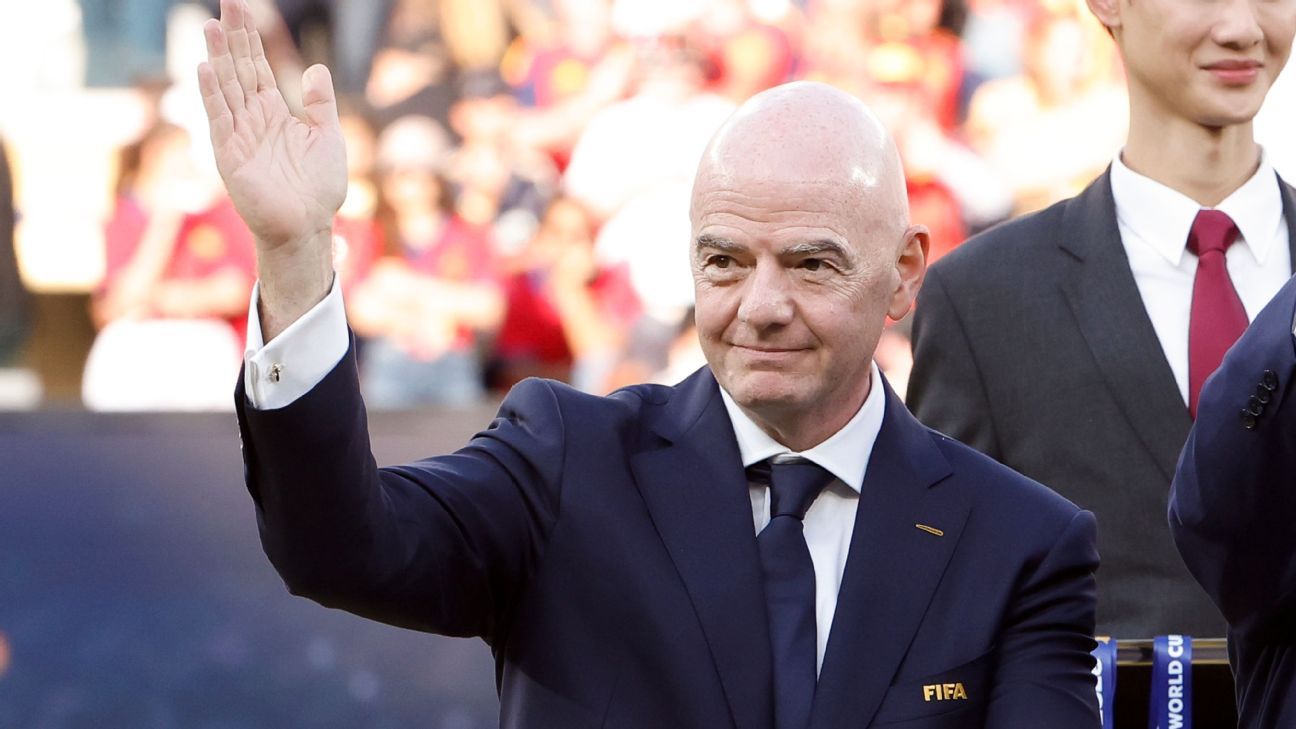
FIFA Doubles Down on Leadership Despite High-Profile Setback
The international football governing body has acknowledged missteps in its approach to a major revenue generation initiative, while simultaneously reinforcing confidence in its current president. During a leadership gathering in Morocco, senior FIFA officials made clear their continued backing of Gianni Infantino's tenure, even as his ambitious plan to sell World Cup ownership stakes collapsed under scrutiny.
This admission represents a critical moment in modern football administration. Infantino had proposed selling financial interests in World Cup broadcasting and commercial rights, a move designed to generate unprecedented capital for FIFA and participating nations. The strategy reflected growing pressure to monetize football's most prestigious tournament in new ways. However, the proposal generated considerable backlash from confederations, media partners, and stakeholders who questioned whether such a move would fundamentally compromise the competition's integrity.
What Went Wrong: The Revenue Plan That Didn't Score
The failed initiative highlighted tensions between FIFA's ambitions for financial innovation and traditional football values. The proposal would have created new revenue streams by allowing external investors to hold stakes in World Cup profits and broadcasting arrangements. While this mirrors corporate practice in other sports industries, the football community proved resistant to diluting ownership of its crown jewel.
For betting enthusiasts and prediction analysts, this development matters significantly. Tournament formats, broadcast schedules, and financial stability all influence match outcomes, player motivation, and team preparation quality. A World Cup backed by external investors might theoretically operate differently than one controlled purely by FIFA and member associations. Changes to how tournaments are structured or financed can ripple through competition dynamics in subtle but measurable ways.
Why FIFA's Support Signal Matters for the Sport's Direction
Despite this setback, FIFA's public reaffirmation of Infantino's leadership suggests the organization remains committed to finding new revenue models. Rather than abandoning monetization efforts entirely, the federation is likely to explore alternative approaches that might face less resistance.
This stability at the top could actually be positive for betting markets and tournament predictability. Leadership uncertainty creates volatility in governance decisions, tournament formats, and scheduling, all of which impact teams' preparation and performance. A president with continued backing can implement long-term strategic planning with less fear of sudden policy reversals.
The Betting and Prediction Angle
From a wagering perspective, organizational coherence matters more than many casual fans realize. When there's internal conflict over tournament structure or financial arrangements, teams operating in different confederations may prepare unevenly. Some associations receive more financial support for youth development or infrastructure. Others struggle. These disparities ultimately affect national team strength and tournament competitiveness.
Additionally, any future revenue-sharing restructuring could influence which nations invest most heavily in football development, potentially reshaping traditional power dynamics in world football. Those placing predictions on emerging nations or underdog performances should monitor FIFA's next moves closely.
Looking Ahead: What Comes Next
The failed World Cup stakes sale probably closes the door on that specific initiative, at least in the short term. However, expect FIFA to present alternative commercial frameworks within the next eighteen months. These might include expanded media rights packages, new sponsorship categories, or restructured broadcasting partnerships.
For football bettors using data-driven prediction tools, the key takeaway is this: organizational stability supports predictable tournament structures, which improves prediction accuracy. Conversely, if leadership becomes contested again, tournament formats might shift unexpectedly, creating market inefficiencies that savvy bettors could exploit.
FIFA's acknowledgment of mistakes, combined with renewed leadership confidence, suggests the organization is learning from this experience and positioning itself for more measured decision-making going forward.
Predictions backed by data, not by tipsters.
Calibrated picks across 200+ leagues, every morning, with the reasoning attached.