Why FIFA's Last-Minute World Cup Privatization Pullback Matters for Global Football's Future
FIFA has dramatically reversed course on a controversial plan to privatize World Cup ownership, with legendary football figure Arsene Wenger calling the decision essential for the sport's integrity. Here's what this means for the beautiful game and those following football's biggest tournaments.
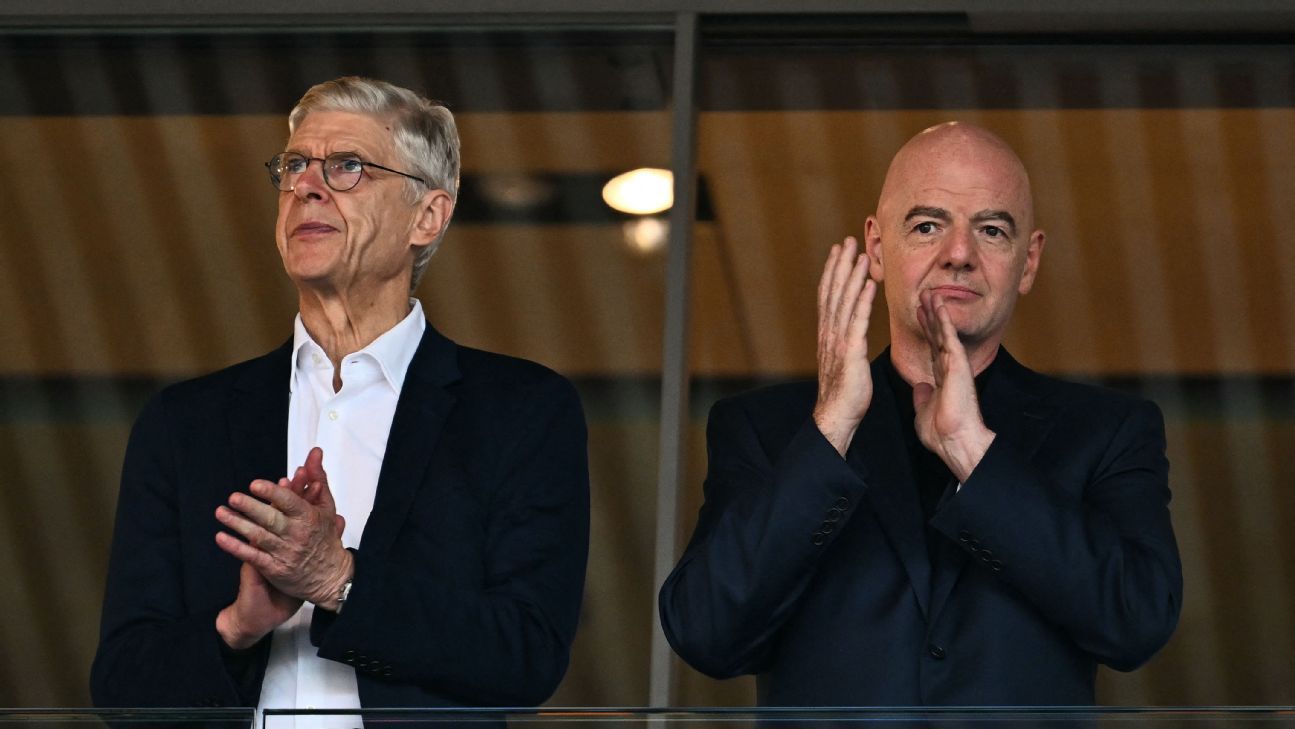
FIFA's World Cup Privatization U-Turn: A Victory for Football Purists
In a significant shift in strategy, FIFA leadership under President Gianni Infantino has abandoned its attempt to sell stakes in the World Cup organization to private investors. The decision has earned strong backing from Arsene Wenger, FIFA's Chief of Global Football Development, who described the reversal as both vital and unquestionable for the sport's wellbeing.
What Happened and Why It Matters
The original proposal would have seen FIFA cede partial ownership and operational control of the World Cup to private equity firms. This move represented one of the most aggressive commercialization attempts in the tournament's modern history. However, mounting pressure from football federations, fans, and respected figures within the sport prompted FIFA to reconsider.
Wenger's unambiguous endorsement of the pullback carries significant weight. As one of football's most respected minds, his public support signals that this decision aligns with protecting the sport's core values. His statement suggests the privatization plan crossed a line that football's custodians felt compelled to defend.
The Betting and Prediction Angle
For those tracking tournament dynamics through prediction platforms and betting markets, this decision carries practical implications. Private ownership could have introduced unpredictable commercial pressures on tournament scheduling, match formats, and competitive balance. Keeping World Cup governance within FIFA's traditional structure provides more predictable frameworks for analyzing future tournaments.
Tournament integrity directly influences how betting markets function. When governance remains stable and transparent, odds-makers and prediction models work with clearer data. Uncertainty about potential format changes or commercial interference creates volatility that makes accurate forecasting more challenging. By maintaining traditional World Cup governance, FIFA has preserved the conditions where data-driven analysis thrives.
Long-Term Implications for Football
This reversal reflects a broader tension in modern football: balancing financial growth with institutional integrity. While FIFA clearly seeks revenue expansion, abandoning the privatization scheme acknowledges that some boundaries shouldn't be crossed. The World Cup represents global football's pinnacle, and treating it as a purely financial asset rather than sport's crowning achievement would have fundamentally altered its character.
The decision also strengthens FIFA's hand in global negotiations. By demonstrating willingness to listen to stakeholder concerns, FIFA maintains credibility with member federations and the global football community. This goodwill becomes valuable when navigating future discussions about tournament expansion, scheduling reforms, or other significant changes.
What's Next
FIFA will continue exploring revenue diversification, but through channels that don't compromise institutional control. Media rights expansion, sponsorship growth, and ticketing innovations offer financial opportunities without surrendering ownership. These avenues provide sustainable growth without the governance complications that privatization would have introduced.
For football fans and betting enthusiasts, this stability is welcome news. Predictable tournament structures allow for more reliable analysis and informed decision-making. When major governance uncertainties hang over professional football, it becomes harder to build confidence in forecasting models and betting strategies.
Arsene Wenger's validation of this decision matters because it comes from someone who understands both football's commercial realities and its cultural significance. His endorsement suggests FIFA found the right balance, at least for now, between protecting what makes the World Cup special while still pursuing necessary modernization.
The World Cup will remain football's most prestigious tournament, governed by football people rather than financial engineers. For those invested in the sport, whether as fans or through prediction platforms, that outcome strengthens the foundation upon which competitive analysis is built.
Predictions backed by data, not by tipsters.
Calibrated picks across 200+ leagues, every morning, with the reasoning attached.